27 Mar 2025
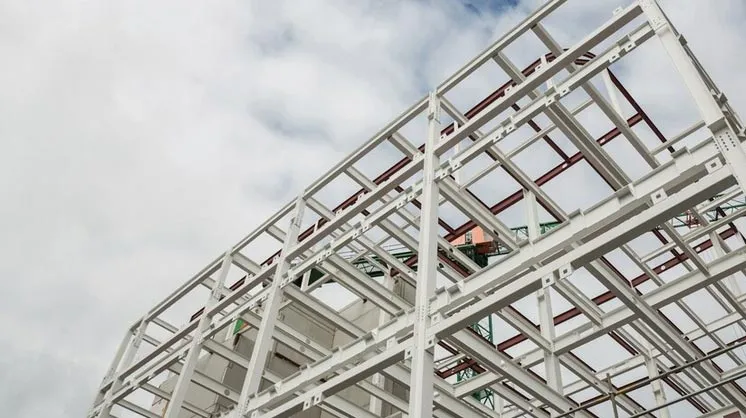
Infrastructure forms the basis of economic growth, but with expansion in cities and changes in industries, the need for such materials has never been outmatched. The steel fabrication industry is one of the major players in this transformation by providing the fundamental framework for almost all modern constructions. Be it large skyscrapers or huge bridges; steel fabricators are an integral part of realizing architectural designs. Their specialized skills in shaping, cutting, and welding steel guarantee that any project developed towards infrastructure development will comply with safety regulations, durability standards, and aesthetic expectations. While the urban and industrial expansion necessitated a rudimentary base, steel fabrication lay at the heart of such an evolution. Unlike other materials, especially wood and concrete, steel is much stronger and more versatile; hence, it is favoured in massive constructions. Structural steel fabrication refers to the cutting and welding of steel parts that comprise the skeleton of structures like buildings, bridges, and other propositional infrastructures. The method guarantees that structures are designed to resist environmental pressures like seismic activities and extreme weather conditions. Steel fabricators are part of the infrastructure development projects that make these bridges, businesses, and transport networks possible- built on time and within budget. The growing use of steel in construction is reflected in its pervasive application throughout varied sectors. Regardless of whether it is commercial steel fabrication for high-rise buildings and malls or industrial steel fabrication for manufacturing plants and utility structures, steel is central to every aspect of contemporary development. Bridges and highways form an integral part of the transportation network that connects different urban centers and enables commerce. Without steel fabricators for bridges and highways, it would be impossible to develop robust and resilient transport infrastructures. The high strength-to-weight ratio makes steel especially suitable for bridges, as this allows engineers to design much longer spans with very minimal support structure. Moreover, steel bridges require much less maintenance than concrete bridges, thus saving municipalities and governments money over the long term. As industries have grown, so much more has been needed for them to grow robust and reliable infrastructures. Industrial steel fabrication is the backbone of manufacturing plants, warehouses, and energy production facilities. These structures require precisely engineered steel components that support heavy machinery and endure rigorous operating conditions. The steel fabrication industry addresses such needs by offering bespoke solutions that further enhance efficiency and safety in industrial operations. Like that, commercial steel fabrication is one of the key ingredients in forming the modern urban skyline. Steel finds major use in the construction of office high-rises, shopping complexes, and hotels because of its strength and versatility. The possibility of achieving so many intricate architectural designs with this material has resulted in many innovative and aesthetically exciting spaces for commerce that transform urban environments. Sustainable Steel Fabrication for a Better Future Sustainability is the key concern in developing frameworks, and the steel fabrication sector is increasingly adopting green practices. Steel is highly recyclable among the world's materials, and most of the structural steel fabrication involves recycled materials. This minimizes the environmental impact of fresh construction projects while encouraging effective resource utilization. Besides recycling, advancements in techniques for manufacturing steel products resulted in less waste and energy consumption. CAD, along with automated cutting systems, allows steel fabricators to work with much more accurate measurements and hence use less material. Energy-efficient welding and coating processes further contribute to making industrial steel fabrication more sustainable. Steel fabrication experts assume an essential position in constructing contemporary infrastructure systems. Their work, apart from high-rise structures to sturdy bridges and road overpasses, forms the very core of urban development. Since its inception, the steel fabrication industry adopted innovations to satisfy builders who operate in today's construction environment. Industrial steel fabrication together with commercial projects and transportation construction will maintain steel fabricators as dominant industry players during the creation of a stronger tomorrow.How Steel Fabricators Support the Growing Infrastructure
The Role of Steel Fabrication in Infrastructure Growth
The Importance of Steel in Bridges and Highways
Steel is an essential material in constructing guardrails, signposts, and overpasses on highways. Steel's versatility in steel fabrication makes it possible to manufacture tailored parts that suit the specific requirements of any infrastructure development project. Regardless of whether it is a high-speed railway system or an urban metro line, structural steel fabrication provides the foundation for stability and effectiveness in public transport systems.The Growing Demand for Commercial and Industrial Steel Fabrication
Conclusion